


According to the Import and Export Department (Ministry of Industry and Trade of Vietnam), Vietnam has become China’s 8th largest trading partner worldwide, the 7th largest export market, and the 10th largest import market (ranking 2nd within ASEAN, above Thailand and just behind Malaysia).
In 2018, the total bilateral trade turnover between Vietnam and China reached USD 106.7 billion, of which Vietnam’s exports were USD 41.3 billion, a 16.6% increase compared to 2017.
Vietnam’s key export items to China continued to maintain strong growth, specifically:
- Telephones and components: USD 9.38 billion, up 31.1%
- Computers, electronic products and components: USD 8.36 billion, up 21.9%
- Textile fibers of all kinds: USD 2.2 billion, up 8.5%
- Fruits and vegetables: USD 2.78 billion, up 5.1%
- Cameras, camcorders and components: USD 2.8 billion, up 34.1%
- Footwear of all kinds: USD 1.49 billion, up 30.8%
The export proportion of agricultural and aquatic products to China has remained relatively stable in recent years.
In 2018, Vietnam’s major agricultural and aquatic export values to China were:
- Rice: USD 638.3 million
- Rubber: USD 1.37 billion
- Fruits and vegetables: USD 2.78 billion
- Seafood: USD 995.9 million
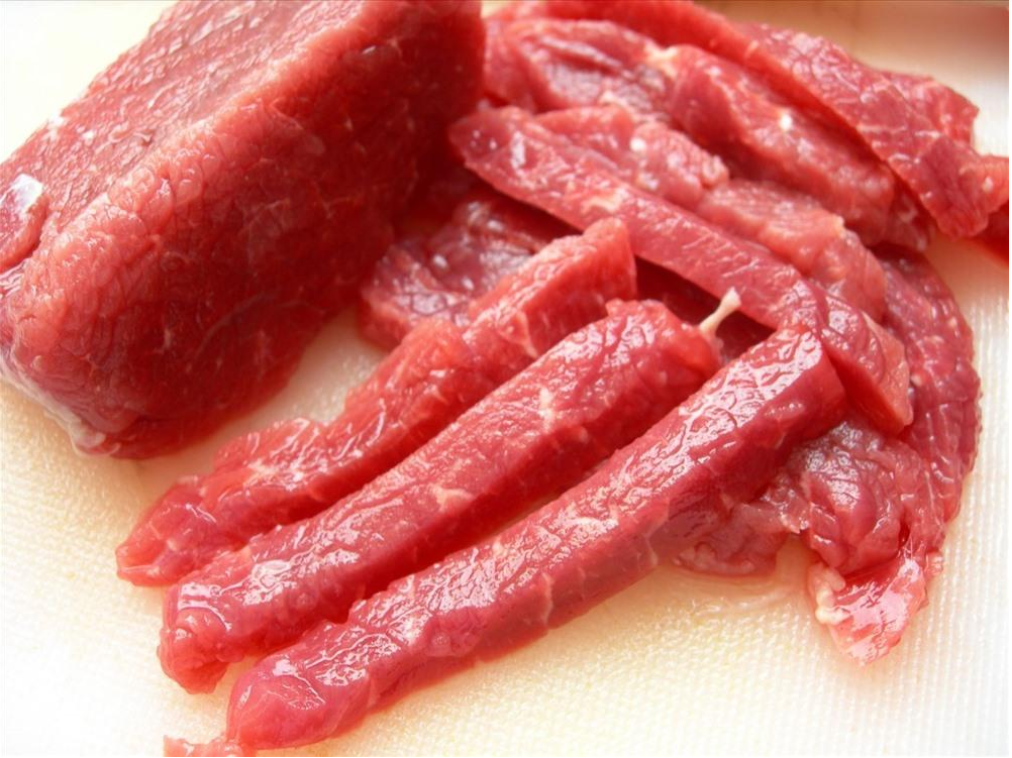
(Vietnam is currently restructuring its livestock industry to enable official exports of pork to China.)
Regarding wood and wood products, exports to China reached USD 1.07 billion, a slight 0.4% increase compared to 2017.
In the first three months of 2019, Vietnam’s exports to China totaled USD 7.61 billion. For wood and wood products, the export value in this period was USD 253.3 million, a 5.1% decrease year-on-year.
According to the Import and Export Department, China remains Vietnam’s largest export market for agricultural and aquatic goods. Specifically, China ranks:
- 1st in imports of rubber, fruits & vegetables, and cassava products;
- 3rd in wood and wood products;
- 4th in tea;
- 5th in seafood;
- 9th in coffee.
Currently, Vietnam exports eight major categories of agricultural and aquatic products to China, with several items accounting for a high proportion of the country’s total exports of those products:
- Cassava and cassava products: 88%
- Fruits and vegetables: 73%
- Rubber: 66%
- Rice: 22%
- Other products such as cashew nuts, tea, seafood, and coffee account for around 10% each.
In addition, Vietnam also exports raw timber and finished wood products (mainly handcrafted wooden items made from high-grade timber) to China.
Removing Barriers to Promote Official Exports
The Ministry of Industry and Trade assesses that although agricultural and aquatic exports to China enjoy certain advantages, they still face numerous challenges, as China has increasingly become a high-standard market with strict requirements on product quality.
Moreover, China has invested heavily in upgrading its large-scale testing and quarantine laboratories along its border regions. These facilities are equipped with modern, state-of-the-art inspection technology, comparable to those in developed countries such as the United States, Japan, and the European Union.
It is expected that, starting from October 1, 2019, China will require all imported food shipments to be accompanied by export certificates.
With this tightening management trend, Vietnamese agricultural and aquatic exports to China will face higher quality barriers and increased competition pressure from other ASEAN countries.
This trend indicates that in the near future, border (informal) exports to China will become increasingly difficult. Therefore, Vietnam must strengthen official trade channels, allowing Vietnamese products to enter China through formal export routes.
At the same time, it is necessary to conduct systematic market research, identify actual demand signals from the Chinese market for each product category, and determine which products hold competitive advantages.
From there, Vietnam should organize production and processing in a way that ensures exported goods meet China’s requirements for quality and food safety standards.
(Source: Lao Dong Newspaper, Vietnam)


